Jesus and the Sermon on the Mount
3 min read By Online Bible Team
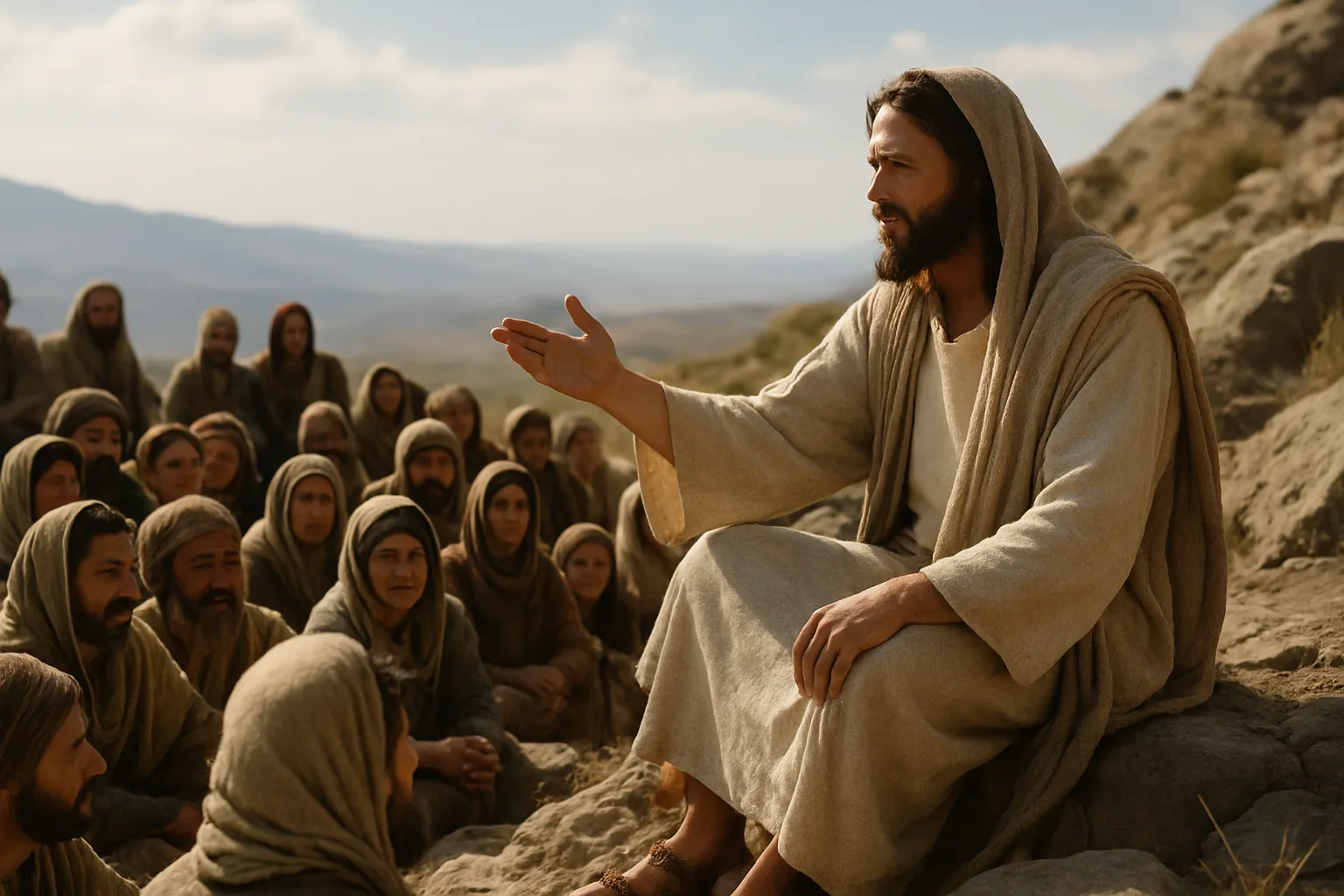
On a bright morning by the Sea of Galilee, Jesus climbed a hillside flanked by olive trees, drawing a diverse crowd: fishermen, tax collectors, merchants, and curious onlookers. Settling on a rock at the summit, He invited His disciples to sit at His feet, and a hush fell over the assembly. Thus began the Sermon on the Mount, a foundational discourse that would redefine the moral landscape of humanity.
His opening words, the Beatitudes, rang out like a trumpet call: “Blessed are those who know their spiritual poverty, for the kingdom of heaven belongs to them. Blessed are those who grieve, for God will comfort them. Blessed are the gentle, for the earth will be their inheritance” (Matthew 5:3-5). With each pronouncement, Jesus upended common expectations—celebrating humility, mourning, mercy, and purity of heart as gateways to divine blessing.
Next, He described His followers as “the salt of the earth” and “the light of the world,” urging them not to hide their faith but to let their good works shine before others. “Let your light be seen by everyone,” He said, “so that when people notice the good you do, they will give glory to your Father in heaven” (Matthew 5:16). The slope of the hill seemed to amplify His voice, and the crowd, bathed in sunlight, felt as if they stood on sacred ground.
Turning to the Law, Jesus affirmed that He came not to abolish but to fulfill it. He raised the bar of righteousness from external compliance to internal transformation. “You know the old command given to your ancestors: do not murder… But I am telling you that anyone who stays angry with his brother for no reason will have to answer for it in the judgment” (Matthew 5:21-22). With these words, He exposed the roots of sin in the human heart: hatred, contempt, and unbridled anger.
He continued: “You know the commandment against adultery… But I am telling you that a man who gazes at a woman with desire for her has already been unfaithful in his heart” (Matthew 5:27-28). This radical teaching made clear that purity is not merely avoidance of action but cultivation of the mind and heart, calling His listeners to integrity at every level.
Then Jesus spoke of love’s highest form: “Love your enemies,” He told them, “and pray for the people who mistreat and persecute you” (Matthew 5:44). Such words stunned the crowd, for they ran counter to the instinct for retaliation. Yet He urged them to break cycles of animosity through forgiveness and compassion, demonstrating God’s love for all people.
On the subject of prayer, Jesus offered what has become the model prayer for Christians: the Lord’s Prayer. He instructed them to address God as Father, to seek the coming of His kingdom, to ask for daily provision, to request forgiveness as they forgive others, and to pray for deliverance from temptation. This prayer, he explained, is not mere recitation but the heart’s posture toward a loving Father.
He also cautioned against ostentation in giving and fasting, advising His followers to perform deeds in secret, where heavenly reward shines brightest. “Stop piling up riches here on earth,” He warned, “and build up your wealth in heaven instead” (Matthew 6:19-20). By shifting focus from material security to eternal values, He invited His listeners into a life of trust and generosity.
Concluding His sermon, Jesus offered two contrasting building images. The one who hears His words and acts upon them is like a wise man who built his house on rock—steadfast against storms. In contrast, the one who hears but ignores His teaching is like a foolish man who built on sand—doomed to collapse. As the sun dipped low, the hillside glowed with an aura of sacred truth etched into every heart.
As they descended the hill in silence, the crowds carried the echo of His words like a lantern in the dark. The Sermon on the Mount became their moral compass, shaping communities with love, humility, and justice. Even centuries later, Jesus’ words from that Galilean hillside continue to illuminate paths of peace and inspire faithful living across the world.